I work with people whose competence has carried them far and whose inner life is asking for more.
My clients are passionate, creative, and smart. They are often technically focused—I’ve coached over 100 engineers—but are up against a challenge in their life or work that intelligence alone can’t solve. They’re looking to slow down and consider new approaches.
Most people who work with me are people leaders or leaders-of-leaders, but I work with individual contributors as well.
We often address in coaching:
Career transitions, like changing roles or getting a promotion—what exactly do you want? Why? And how can you pursue a promotion in a way that aligns with your values?
Building essential leadership habits like strategic planning, delegation, and motivating and inspiring your team.
Managing conflicts and negotiations skillfully and soulfully, with your reports, your manager and other leaders, or your colleagues and customers.
How and why to wield influence in the broader organization.
Working through what “executive presence” means to you and how to develop it authentically. Likewise, building your “personal brand.”
Related to that: managing imposter syndrome
Managing stress, frustration, the sense of being “overly-emotional,” or harsh self-talk.
Time management and productivity.
Perfectionism and procrastination.
Using AI in ways that align with your values and amplify your impact, and even support inner work
Navigating power and privilege, with an eye toward race, class, gender, sexuality, immigration, ability, and religion, and with an eye toward one-to-one relationships, organizational culture, and organizational policy…without getting lost in capital-P politics or posturing.
Balancing work and life—including building back time and space for your passions, like launching a creative side-hustle—and building a practice of self-care.
Navigating major life transitions and uncertainty, including a starting new job or losing a job, relocating, retirement, empty-nesting, divorce, health issues, caring for a parent or child, or losing someone you love.
How coaching works
We meet on video chat or on the phone, usually twice a month for at least three months.
In our first conversations, we slow down and explore your goals. What makes them important now? How will working toward your goals connect to your values and your growth as a person, as well as your impact on your organization, your family, and your community?
As your goals come into focus, you then begin developing actions to take between sessions. I may offer some frameworks to consider, but most of the actions you take come from your own reflection and research—again, for most of my clients, know-how isn’t what’s stopping them. Actions could include talking with your manager about a conflict you hadn’t been able to resolve; recognizing your reports’ work'; experimenting with how you prompt AI; or taking time to walk in nature or go see art that you love.
Back in our sessions, you reflect on how the actions went and what you are learning. Themes start to emerge. Old barriers that seemed insurmountable can start to soften.
Coaching is not therapy: we don’t work on diagnoses or recovery, though you may find the process healing.
Coaching is not consulting: you draw on your own resources to determine what to do. The process helps you dream big and follow through.
My Qualifications
I am a Master Certified Coach with the International Coaching Federation as well as a certified group coach. I have over 2500 hours of coaching experience.
I am a Premier Fellow Coach at BetterUp, where I coach engineers, frontline workers, managers, and executives, in Fortune 500 companies and beyond. I am consistently among the highest-rated coaches on the platform and I have trained over 300 BetterUp coaches.
I have a Master’s Degree in Applied Theatre from the City University of New York School of Professional Studies, where I am a faculty member and where I served as Assistant Director for three years.
I am co-founder of Man Question, which I ran for nine years. We addressed the expectations of masculinity through theatre-based workshops and the annual New Masculinities Festival. We worked with college students, inmates, LGBTQIA+ community groups, men’s groups, and mental health professionals.
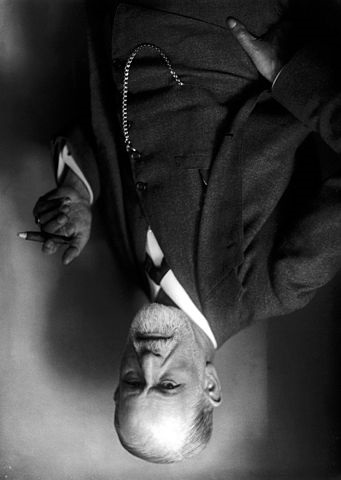

Photo: Azmi Mert Erdem
“I feel like years’ worth of emotional work was sped up into a short six months, and I came out on the other end with so much more clarity and confidence. Michael is sensitive and empathetic, and made the coaching sessions feel like a safe space for me to explore these inner parts of myself in ways that were sometimes shocking and profoundly revealing. Before this experience, I didn’t even really know what life coaching was, but now I would strongly recommend it to anyone who feels like they need support (we all do!).”
“I’d never gotten my hands around my anxiety like this before. You’re a wizard, Michael. Thank you.”
“Michael coached me and I loved it! Reach out to him. He’s intuitive, affirming and even a bit bossy when I needed it.”
“Michael, you trained me to be a good ally for myself. You mirrored back to me a lot of good things that I do. I’m not run by being reactive now—I’m planning ahead. I’m standing in my power.”
“Working with Michael was a phenomenal experience. His attentiveness, empathy, support and curiosity helped me move forward in developing and refining my career goals each time we met. Michael is a coach that truly listens to what you say and asks questions that spur you to finding the best possible path forward on your career journey.”